Economic empowerment:
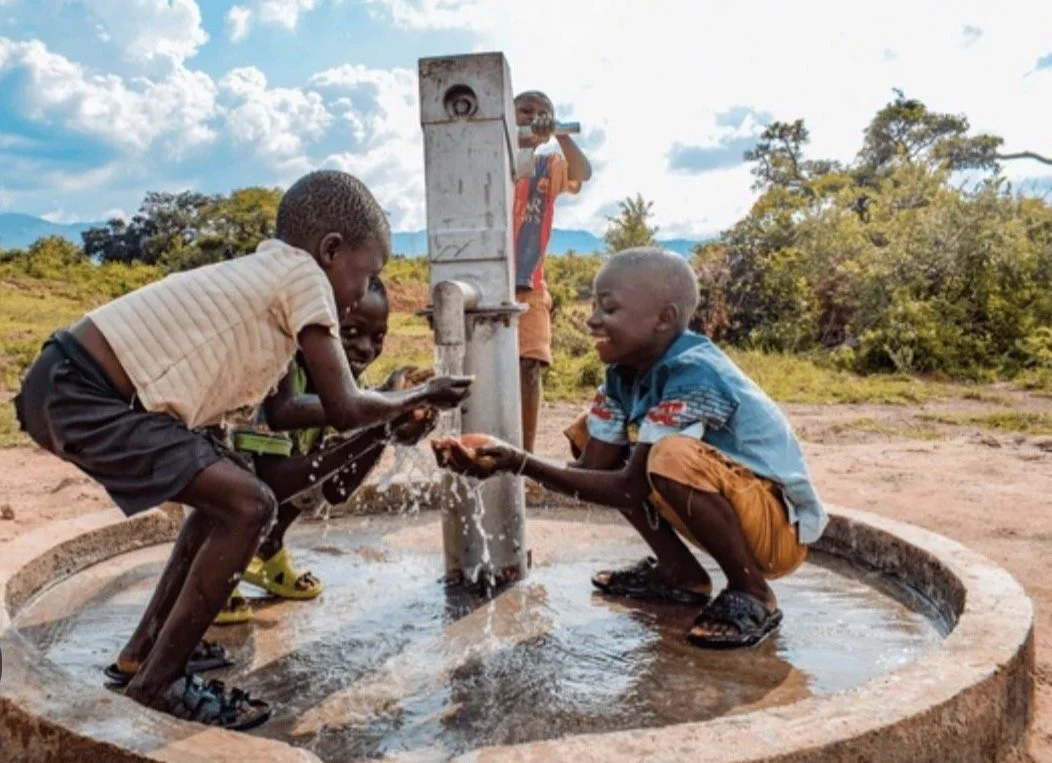
Supports agriculture: Wells provide a consistent water source for irrigation, leading to more stable and abundant crops, fighting food insecurity, and helping communities become more self-sufficient.
Boosts local economies: Reliable water access allows for the growth of various trades and frees up time and money previously spent on treating diseases or collecting water, enabling people to focus on income-generating activities.
Increases school attendance:
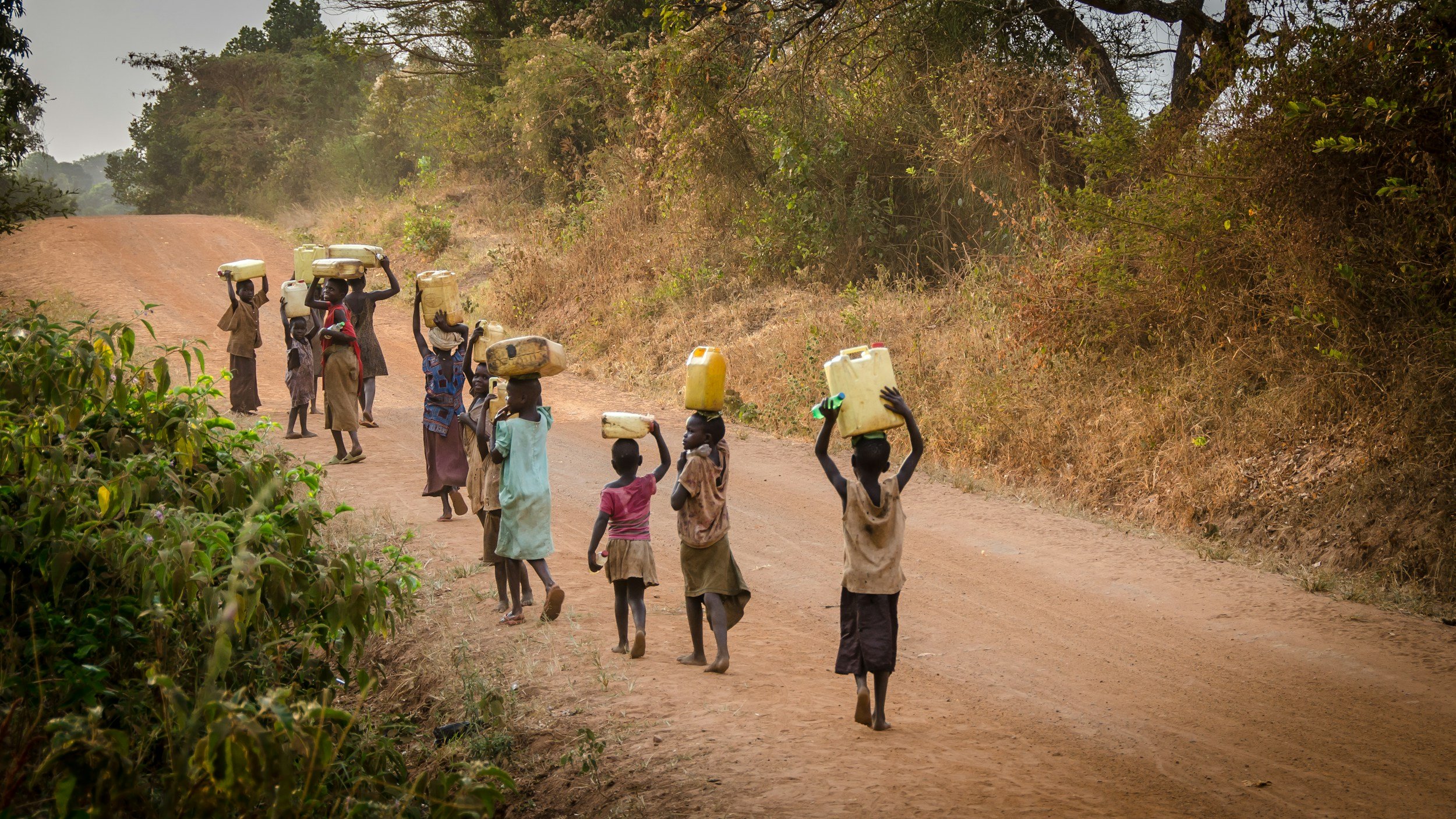
When children, particularly girls, don't have to spend hours collecting water, they can attend school more regularly, leading to better concentration and academic performance.
Reduces the burden on women and girls: The responsibility for water collection often falls on them. Access to nearby wells frees up their time for education, jobs, and social activities.
Strengthens community ties: Having a shared resource and a collective responsibility to manage it can enhance social connections and community cohesion.